
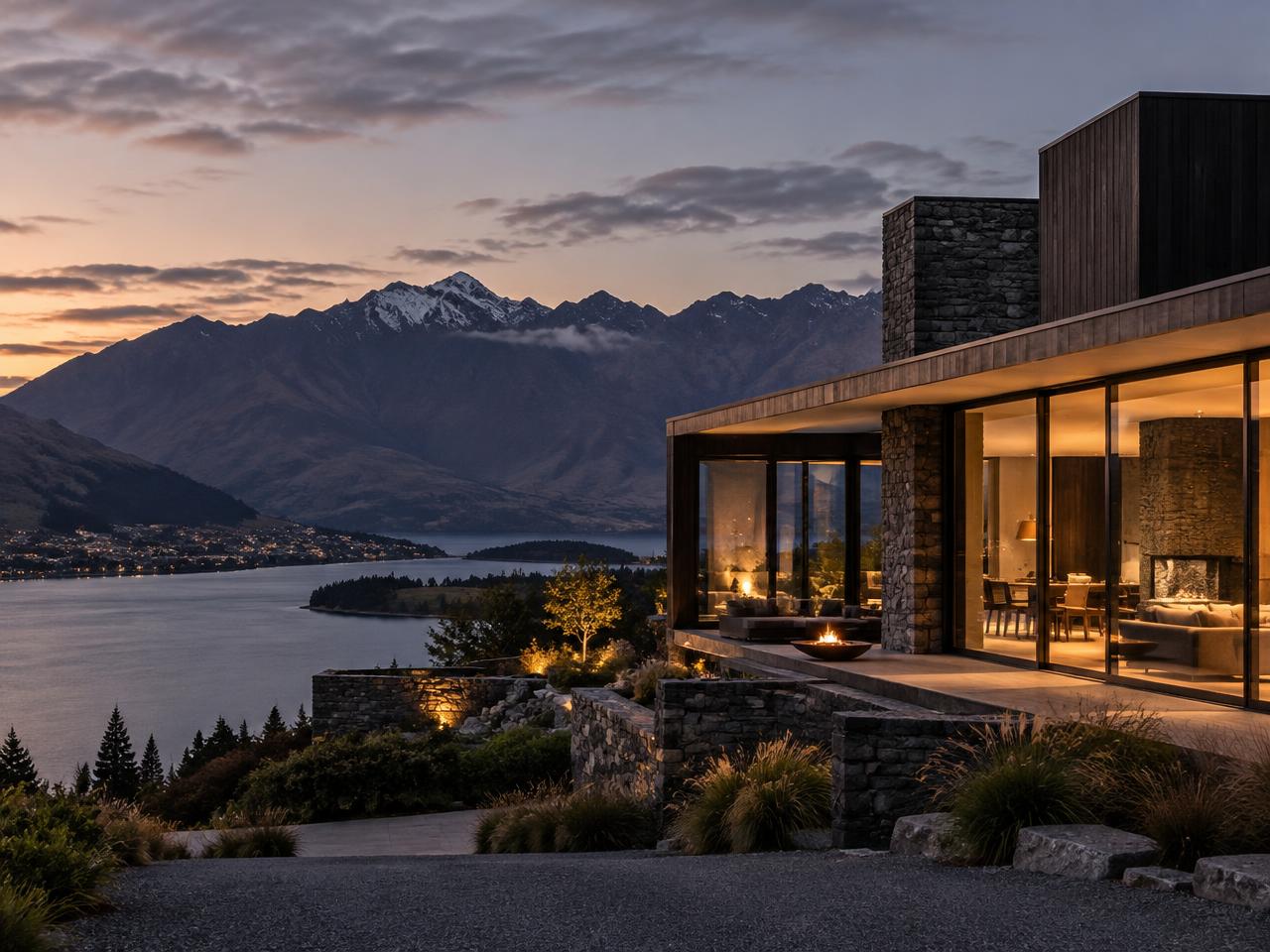
1. Separate the immigration investment from your personal home
The Active Investor Plus (AIP) visa is an investment-based residence pathway administered by Immigration New Zealand (INZ). The Overseas Investment Office (OIO), within LINZ, administers consent under the Overseas Investment Act for purchases that require it. A residence application, an acceptable investment and permission to buy a particular home are different decisions.
Do not treat the frequently quoted ‘NZ$5m–$15m passive investment’ as one current visa category or a property budget. Current Growth and Balanced categories have different amounts, permitted investments and commitments. The NZ$15 million figure belongs to earlier weighted AIP instructions. Some Balanced investments may be more passive, but the word passive is not an eligibility test.
Keep three funding allocations distinct: acceptable visa investments, the home or land-and-build purchase, and transaction, relocation and ongoing ownership costs. A personal residence cannot be used to fill a shortfall in the required immigration investment. Buying a luxury home does not grant you a visa.
2. Current AIP requirements: Growth versus Balanced
Choose the category with your licensed immigration adviser or an appropriately qualified New Zealand lawyer, supported by regulated financial advice where needed. These are minimum immigration commitments, not a recommendation of a fund, a promise of returns or a guarantee of residence.
Under current instructions, Growth accepts qualifying managed funds, direct investments and qualifying philanthropy capped at 20% of the total investment. Balanced permits a broader set of qualifying investments, including bonds, listed equities, philanthropy and eligible property development, as well as qualifying managed funds and direct investments. Not every fund, bond or development qualifies.
INZ normally allows six months from approval in principle to transfer and invest, with the option to request one six-month extension. Investment evidence is required at the category’s retention checkpoints. Balanced investors may qualify for reduced presence requirements by investing above the minimum into direct investments or managed funds; have your adviser calculate this rather than assuming a reduction applies.
- Growth: at least NZ$5 million; retain investments for 36 months; at least 21 days in New Zealand over that period.
- Balanced: at least NZ$10 million; retain investments for 60 months; normally at least 105 days in New Zealand over that period, subject to qualifying reductions.
- Investment retention checkpoints: 24 and 36 months for Growth; 24 and 60 months for Balanced.
- Earlier AIP instructions used NZ$15 million or a weighted equivalent. Existing applicants must check their own grant conditions rather than substitute today’s categories.
3. Immigration eligibility and evidence come before the property commitment
INZ requires the principal applicant and included family members to meet health and character requirements, and the principal applicant to meet fit-and-proper-person requirements. Applicants must demonstrate ownership of nominated funds or assets and that they were legally earned or acquired, then transfer and invest the required amount in acceptable investments.
Prepare a traceable evidence file with your advisers: identity documents, ownership and source-of-funds records, sale or gift documentation where relevant, banking transfers and investment confirmations. Confirm how international transfers must be made under the instructions applying to your case. Bank and property-transaction anti-money-laundering checks are additional obligations, not substitutes for INZ evidence.
Approval in principle is not the same as holding the qualifying visa for the investor-home pathway. Ask your immigration adviser and property lawyer to agree which milestones must be reached before you can commit to a home. The buyers agent coordinates the property search; they do not approve immigration eligibility or certify investment suitability.
4. Why a home is not an acceptable visa investment
INZ’s acceptable-investment instructions exclude investments for the applicants’ personal use. A house you intend to occupy, a private lifestyle retreat or a family holiday home is therefore not an acceptable AIP investment merely because it is valuable or could appreciate.
Eligible property development under Balanced is a separate, tightly defined investment class. It is not permission to buy any existing residential property, hold bare land or label a personal home a development. Have your immigration and financial advisers verify the proposed investment against the current instructions, including personal-use restrictions, before allocating visa funds.
Even a development that qualifies for immigration purposes may raise separate overseas-investment, planning, ownership and tax questions. Conversely, OIO consent for a personal home does not make that home an acceptable immigration investment. Keep written advice for both decisions.
5. The separate over-NZ$5 million investor-home pathway
Since 6 March 2026, qualifying AIP, Investor 1 and Investor 2 visa holders have been able to apply for consent to buy or build a home through the investor-home pathway. LINZ’s detailed guidance also covers permanent resident visas granted on the basis of these earlier investor visas. Other visa types do not qualify simply because the purchaser has sufficient funds.
For an existing dwelling, the agreed purchase price for the qualifying land and fixtures must be more than NZ$5 million. Exactly NZ$5 million is not enough under LINZ’s detailed pathway guidance. Furniture and other chattels do not count towards that land-price threshold. Do not rely on a marketing valuation or the combined price of furniture and property.
Alternatively, qualifying residential land may cost less than NZ$5 million if the sum of its purchase price and the construction price of the dwelling is more than NZ$5 million. Ask your lawyer what construction evidence and consent conditions are needed before entering a land or building contract. This is not an unrestricted right to accumulate a property portfolio.
The pathway is assessed under the national interest test once its criteria are met. Consent remains necessary: neither a visa nor a large budget exempts the transaction. Joint purchasers, companies, trusts and closely associated entities require advice about their eligibility and the correct applicant structure.
6. Lifestyle is a land category, not an exemption
The investor-home pathway is limited to land categorised as residential or lifestyle on the District Valuation Roll. LINZ points buyers to QV or the local council to confirm the category, typically beginning with R or L. A listing’s description as ‘luxury’, ‘lifestyle’ or ‘country estate’ cannot establish legal eligibility.
Residential or lifestyle land can also be sensitive for another reason. Certain island settings, land adjoining beaches, rivers, lakes, reserves or conservation areas can trigger additional sensitivity. Rural land size and classification also need legal assessment. If the land is otherwise sensitive, it cannot be acquired through this particular over-NZ$5 million home pathway.
That distinction matters for Canterbury lifestyle estates, Banks Peninsula coastal homes and alpine or lakeside properties across New Zealand. Ask your lawyer to review the title, mapped boundaries, District Valuation Roll category and statutory sensitivity before the shortlist becomes an offer. If this pathway does not fit, your lawyer must assess whether another lawful route is available; do not assume a larger price solves the problem.
7. Consent, contracts and the five-working-day expectation
LINZ describes investor-home consent as generally granted within five working days, but this is not a guaranteed decision or settlement timetable. Allow for preparation, supporting evidence, questions and contract deadlines. Your lawyer should confirm the required documents and current process for the actual property.
LINZ’s detailed guidance says the agreed purchase price is needed for consent. Have your lawyer structure the agreement and consent sequence so you are not committed unconditionally before the necessary permission. Agreements, tenders and auction bids may need to be conditional on OIO consent; LINZ suggests allowing approximately 20 working days in a consent condition.
The same detailed guidance says consent cannot be granted before an auction. Do not bid under ordinary unconditional auction terms and assume consent can be sorted afterwards. Before signing, tendering or bidding, obtain transaction-specific legal advice and agreement on the conditions the seller will accept. The buyers agent can negotiate and coordinate, but the lawyer must settle the legal wording.
8. Build a Canterbury or nationwide luxury-property brief
Start with the life you intend to lead: Christchurch work and school access, airport travel, privacy, architectural style, guest accommodation, home-office space and the time you want to spend maintaining land. Compare an urban or established-suburban home with a Canterbury lifestyle property against those needs, not just photographs and acreage.
For a lifestyle brief, specify how you intend to use the land, who will manage it while you are overseas and how comfortable you are with private water supplies, wastewater systems, access roads and outbuildings. For a city home, consider traffic, noise, neighbours, parking, shared ownership arrangements and renovation plans.
Paul’s independent search can begin in Christchurch and Canterbury and extend across the South Island or nationwide according to your brief. Keep an eligibility screen alongside the lifestyle comparison: a beautiful home in the wrong land category is not a usable shortlist candidate for this pathway. Live video inspections can help overseas buyers compare both the home and its surroundings before travelling.
9. Due diligence for luxury homes and lifestyle land
Consent eligibility and physical property quality are separate checks. Have your lawyer review title, easements, covenants, boundaries and the proposed agreement. Obtain a LIM and council property information, inspect building consents and completion records, and commission independent building or engineering advice where warranted.
In Canterbury, ask about earthquake repair documentation, geotechnical information and the property’s specific flood or ground risks. Confirm insurance availability for the actual property before becoming unconditional; a neighbouring home’s policy is not evidence of yours. For hillside or coastal properties, investigate access, stability and site-specific hazards with qualified advisers.
For lifestyle land, check water supply and quality, wastewater approvals, drainage, access rights, fences, outbuildings and ongoing maintenance. Check that intended uses are permitted and that required consents can be obtained. A vacant land-and-build purchase also needs realistic construction pricing, planning advice, contract review and contingencies alongside the OIO requirements.
- Lawyer: buyer eligibility, title, land sensitivity, OIO consent and contract conditions.
- Independent inspectors and specialists: condition, repairs, site risks and proposed works.
- Council records and LIM: planning, consent history and recorded hazards.
- Lender and insurer: property-specific finance and cover before deadlines expire.
- Buyers agent: shortlist, inspections, comparison, negotiation and coordination of the property team.
10. Why independent buyer representation matters
A listing agent is engaged by the seller. An independently engaged buyers agent works to your search brief and interests, so the conversation can focus on whether the home fits, what evidence is missing and whether the transaction should proceed—not simply on completing that listing’s sale. Agree the scope, fees and any conflicts in writing.
For a remote investor buyer, local inspection and candid reporting are particularly valuable. Paul can coordinate viewings, live video walkthroughs and property comparisons, work alongside your lawyer’s eligibility checks, and negotiate with the consent and due-diligence timetable in mind. Independent representation is not a legal requirement and does not replace a lawyer, licensed immigration adviser, financial adviser or inspector.
A search can include approaches to agents and owners for possible off-market opportunities where available, rather than being limited to public listings. Off-market is not a promise of exclusive stock, a lower price or fewer compliance checks. Obtain the same title review, land assessment, inspection evidence and price analysis as for an advertised home, and respect the owner’s confidentiality.
11. A practical sequence from investment planning to settlement
Run the immigration and property workstreams together, without treating one as approval of the other. Set a realistic arrival and settlement timetable and identify who is responsible for each decision. Keep visa investment funds and home-purchase funds separately accounted for, with professional advice on transfers, liquidity, tax and exchange-rate exposure.
Before moving money, complete the bank, lawyer and other required identity and source-of-funds checks. Confirm settlement instructions through a trusted channel rather than relying solely on an email. Ask your lawyer what must be satisfied before settlement and what continuing OIO conditions, construction obligations or reporting requirements apply to your consent.
- Confirm your AIP category, qualifying investments and grant conditions with your immigration and financial advisers.
- Confirm when you hold the qualifying visa and establish a separate home budget.
- Agree an independent search brief and screen each candidate’s land category and sensitivity with your lawyer.
- Inspect and compare shortlisted homes, including any available off-market candidates.
- Have your lawyer structure the offer, consent application, due-diligence conditions and deadlines before you sign or bid.
- Complete OIO consent, inspections, finance and insurance requirements before becoming unconditional as advised.
- Settle through your lawyer, arrange a final inspection and handover, and keep immigration and consent records for ongoing obligations.
12. Discuss your investment-to-home plans privately
Use the buyer consultation booking below to discuss your preferred region, urban or lifestyle priorities, home budget and intended timing. Your first private video consultation with Paul is free and carries no obligation; calls can be arranged around international time zones.
Share your visa stage and whether you already have a New Zealand property lawyer and immigration adviser. Paul can help define the property search and coordinate the right questions for that team. Do not send passports, bank statements or other sensitive evidence through a general enquiry; your advisers will arrange an appropriate way to collect them.
Important
This article is general information, not legal, immigration, tax, insurance, building or financial advice. Market figures describe past transactions and do not predict an individual property’s value. Confirm your circumstances and every property transaction with the appropriate licensed advisers.
Independent buyer representation
Ready to apply this to your property search?
Talk through your buying position, preferred regions and next steps with Paul. Your first private consultation is free, and video calls are available across international time zones.